

Hair Removal Technology
IPL Hair Removal FAQ
1. What is IPL?
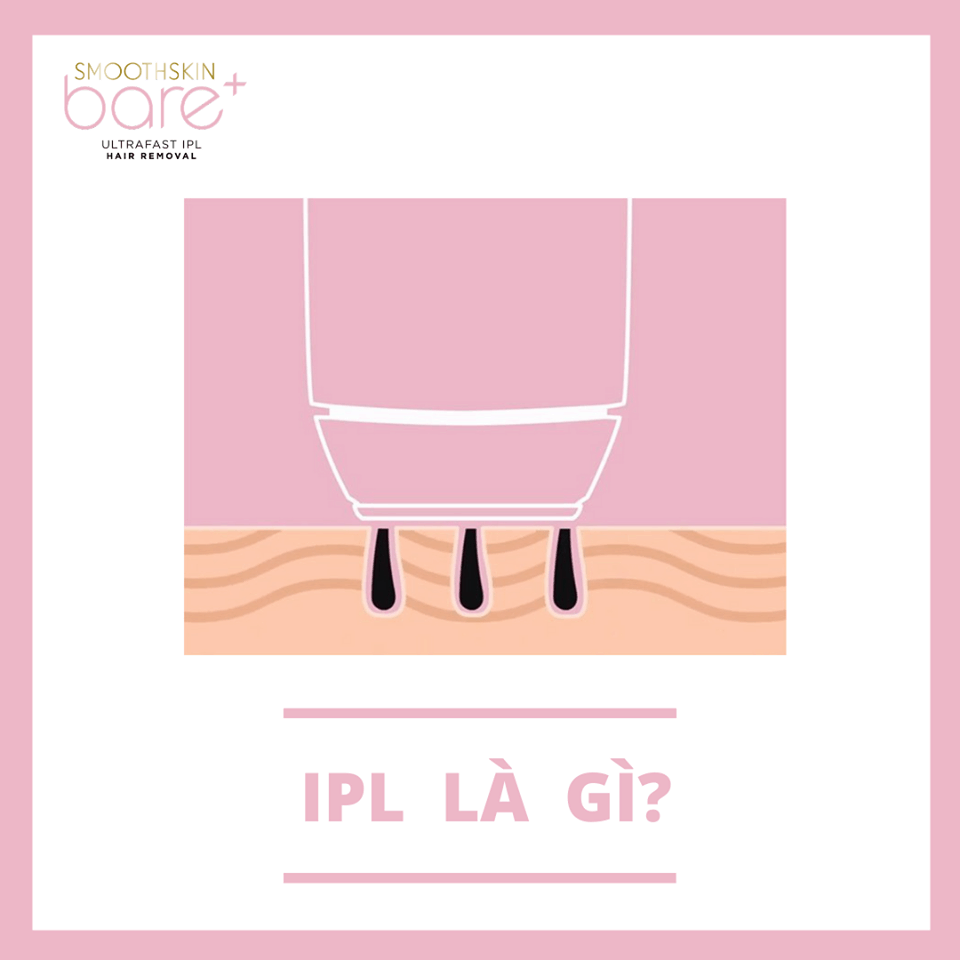
IPL is short for Intense Pulsed Light. IPL hair removal technology was developed to help inhibit hair growth by using light and heat to target the hair follicle in line with the hair growth cycle. The light energy passes through the surface of the skin and is absorbed by the melanin in the hair shaft. That light energy is then converted into heat energy (beneath the surface of the skin), helping to discourage hair from growing back. Treated hairs shed naturally over the following few days to 1–2 weeks.
2. What is the difference between laser and IPL?
– Laser (a hair-removal technology commonly used in spa clinics) and IPL have fairly similar effects. However, the way light is delivered is quite different – the main difference is the type of light used.
– IPL produces a range of light wavelengths, creating a single broad, non-focused white flash. It can treat a larger area, is generally less painful, and tends to be more affordable, but it usually requires more frequent treatments because it is less focused. It is designed for safe home use. When the device is flashed on the skin, you may see an orange/red glow, similar to a camera flash.
– Laser uses a specific light wavelength to create a beam, similar to a laser pointer. It is highly focused and can be more uncomfortable than IPL. Laser light generation is relatively expensive, and the light is very powerful and can be hazardous. Laser treatments target individual hair follicles rather than a broader area like IPL (that is, the skin), so they are often recommended for darker skin tones (tones that may not be suitable for IPL treatment).
3. How long does it take for the treatment cycle to effectively remove hair?
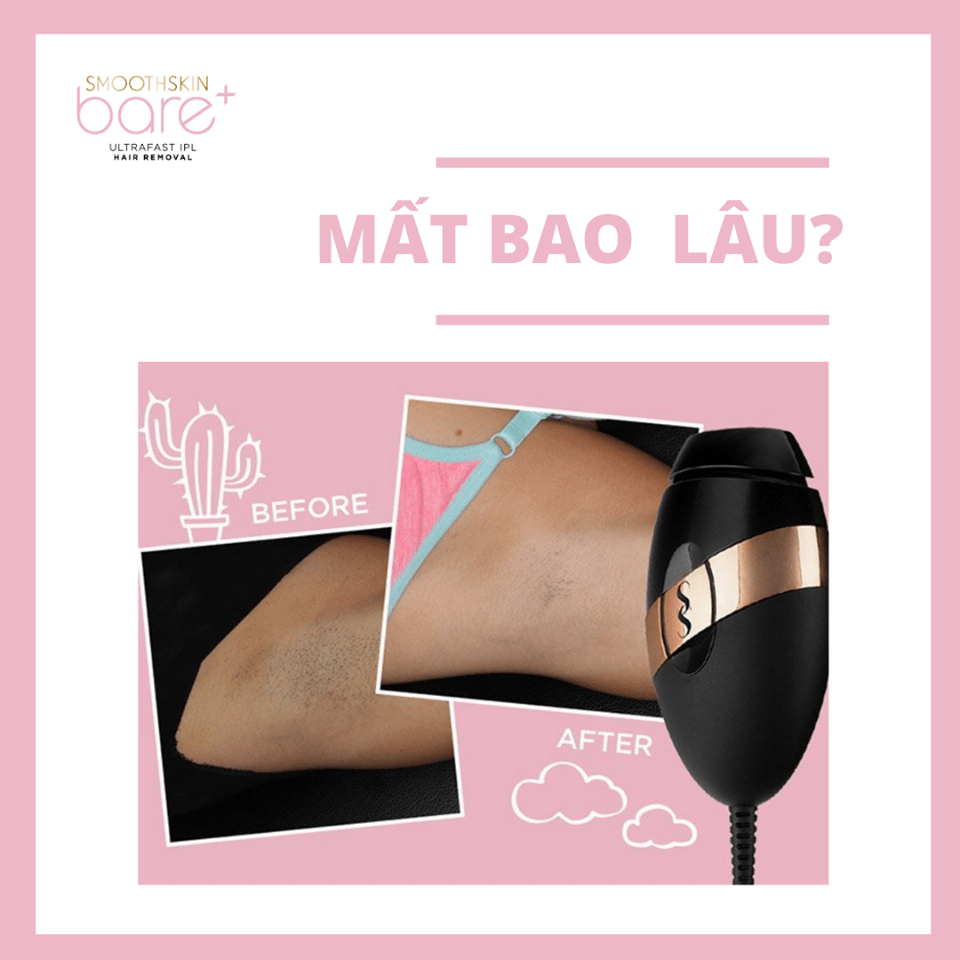
Hair grows in 3 distinct, consecutive stages, and not all hairs are in the same stage at the same time. IPL treatment is only effective during a specific stage (“growth phase” Anagen), so during the first few weeks (1–2 weeks) after your initial treatment, you may still see some hairs growing. Don’t worry! These may be hairs that were not treated during their growth phase (when IPL works best). So make sure you continue with the treatment course!
Within 4 weeks, you should see a reduction in hair regrowth. By following the recommended treatment schedule, you are more likely to target any hairs that were missed in earlier sessions.
4. Does IPL cause any side effects?
No. All SmoothSkin devices have been independently tested for efficacy (the ability to produce the intended result) and, of course, safety. If you use the device according to the instructions, you should not experience any adverse side effects.
However, if you notice any unusual reactions (often related to an underlying medical condition), stop using the device and contact us for advice on what to do next.
5. Is IPL painful?
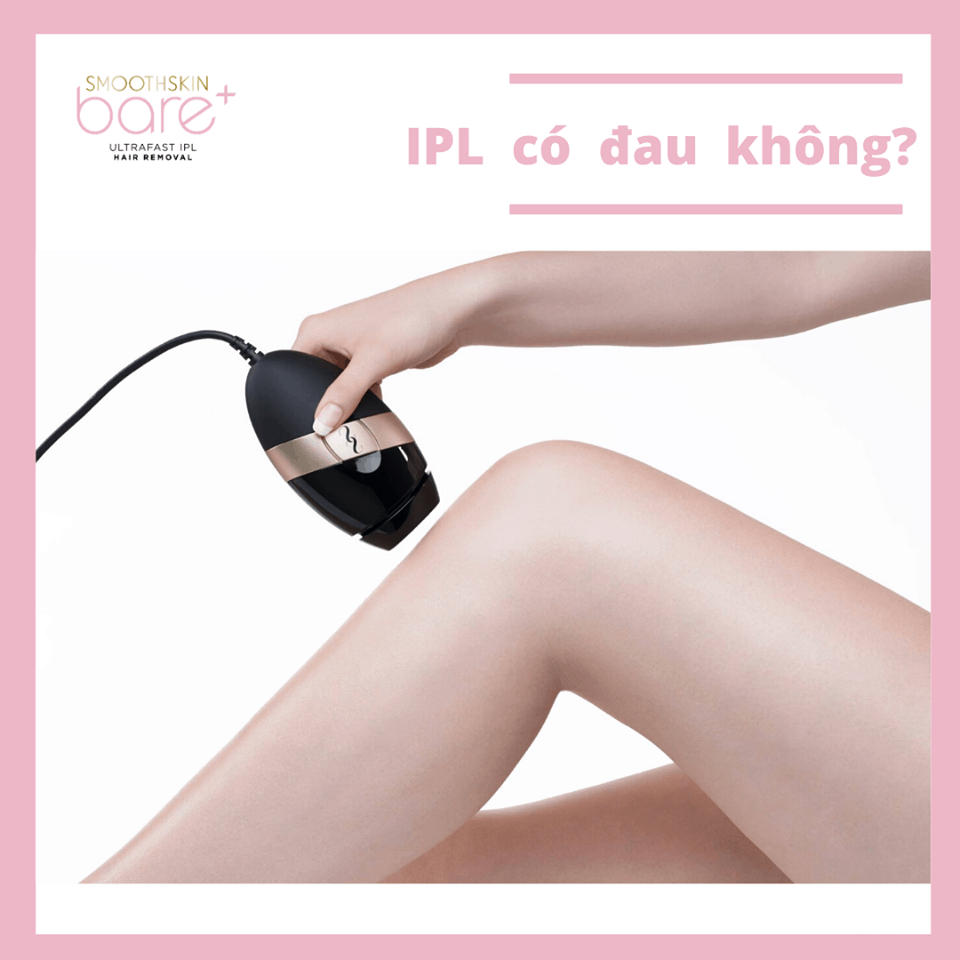
No, not usually. A slight tingling sensation or warmth is what most people feel. However, sensations vary from person to person. People with darker, coarser hair may experience an initial feeling similar to a light elastic-band snap.
You may notice a small skin response immediately after treatment, such as redness or warmth, but this is not usually a cause for concern. After 1–2 uses, you may no longer feel anything at all.
6. Is IPL safe for my eyes?
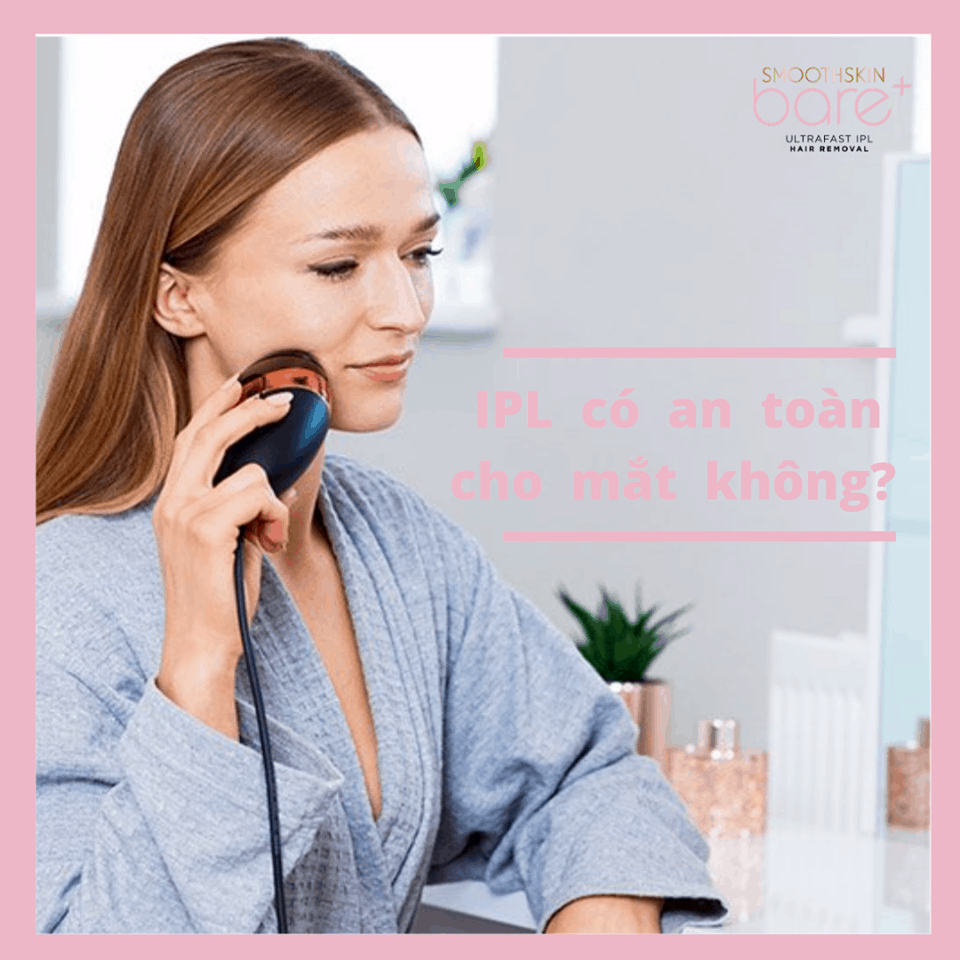
SmoothSkin devices have been developed with safety as a top priority and are therefore safe to use around the eyes without eye protection. However, some users find the flash a little bright and prefer to wear sunglasses or protective eyewear during treatment. That is fine and completely up to you. We also recommend using SmoothSkin in a well-lit room to reduce the perceived brightness of the flash.
When using the device, we recommend that you do not look directly at the handset when it is flashing on the skin. The system includes safety features to prevent flashing into open air, but you should never try to flash it into or near your eyes.
7. Is at-home IPL the same as IPL treatment at a salon?
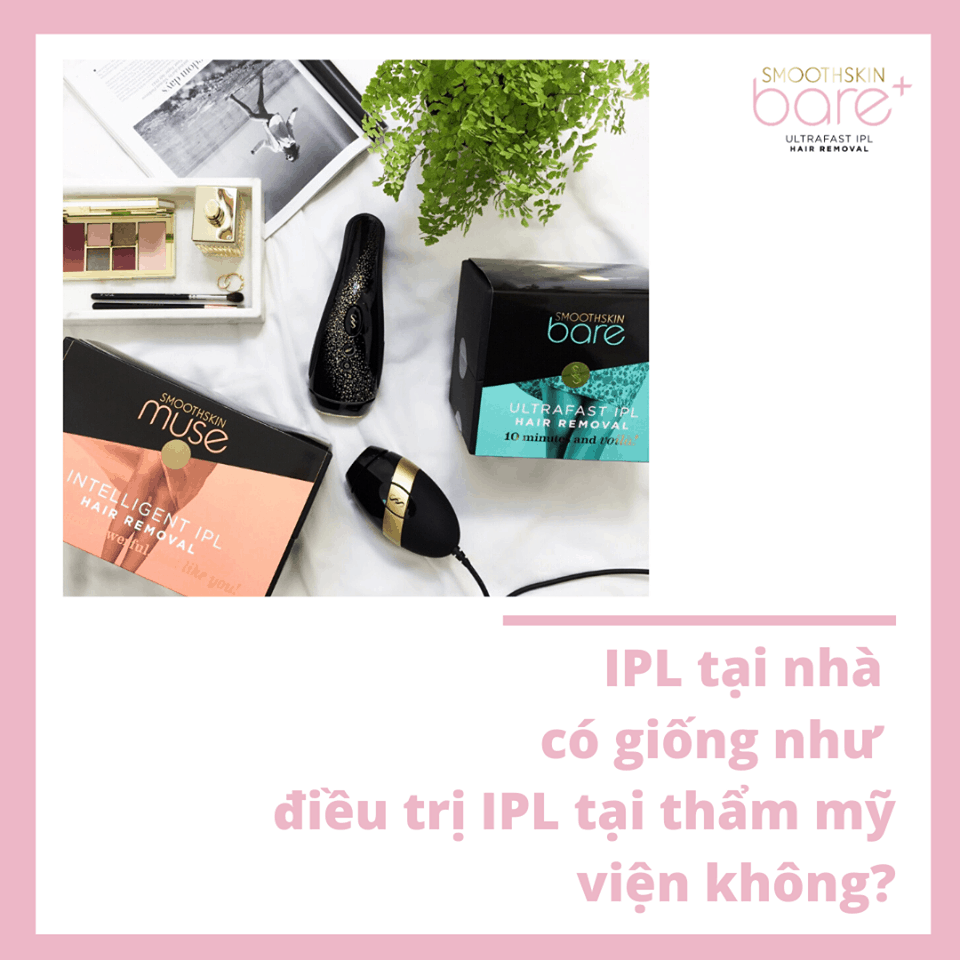
Yes. SmoothSkin uses the same IPL technology used in salons around the world to help achieve the best results. However, professional systems allow trained therapists to use much higher energy levels than current at-home IPL products on the market. This simply means that you may need maintenance treatments more often to maintain results if your hair is especially dense or coarse.
In return, you can use SmoothSkin Bare Plus comfortably at home.
8. Are there any medical conditions that mean I should not use an IPL system?
Yes – there are some medical conditions that may affect your suitability for IPL treatment.
These include, but are not limited to: skin cancer, or any other localized cancer in the treatment area; a history of vascular disorders, such as varicose veins or vascular disease in the treatment area; skin that is photosensitive or prone to rashes or allergic reactions; rosacea (red lines on the legs and face); diabetes; epilepsy; lupus; metabolic disorders; congestive heart disease; skin infections, eczema, burns, folliculitis, open wounds, abrasions, herpes, sores or lesions, and hematomas in the area to be treated. Other reasons not to use the device include taking certain medications that can cause photosensitivity, including some acne and antidepressant medications; and certain tattoos, moles, or freckles in the area you want to treat. Do not use during pregnancy or while breastfeeding.
Note: This is not a complete list. If you need further clarification, please consult your doctor.
9. What is the minimum recommended age for IPL treatment?
10. Does SmoothSkin IPL work on blonde, gray, or red hair?
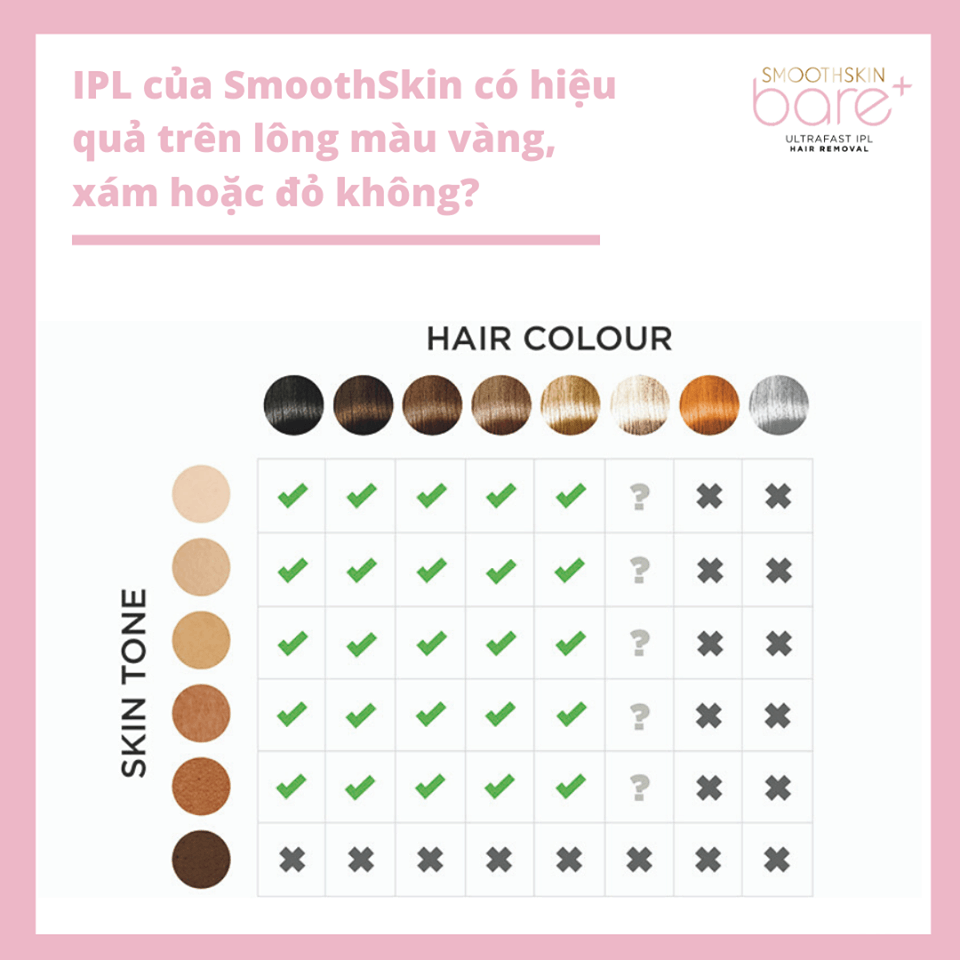
IPL is not suitable for treating gray, red, or light blonde (white) hair. Gray and very light hair do not contain enough melanin to transfer light energy to the hair follicle, while red hair contains a different type of melanin that does not respond to IPL. It may be effective on darker blonde hair, but you may need a few additional treatments to achieve a similar level of reduction.
Refer to the chart in the image above to better understand skin and hair colour suitability for IPL treatment.