
At-Home Hair Removal, Bikini Hair Removal, Hair Removal FAQ, Permanent Hair Removal
Can Pregnant Women Remove Bikini Hair?
A woman’s body goes through many changes during pregnancy, from mood and health to physical appearance. That is why hair removal is a concern for many expectant mothers. The question “Can pregnant women remove bikini hair?” is one many women wonder about. In this article, Vatico explores hair removal during pregnancy, especially for the bikini area, along with safer and more suitable methods to help expectant mothers make the best decision for themselves.
1. Why many pregnant women worry about bikini hair removal
During pregnancy, hormonal changes with higher levels of estrogen and progesterone can disrupt the hair growth cycle, causing pubic hair to grow faster, thicker, and denser than usual. This may make many expectant mothers feel less confident or uncomfortable. Too much hair can also make hygiene more difficult, increasing moisture and trapped heat, which may create favorable conditions for bacteria to grow—especially in the final weeks of pregnancy, when cleansing the intimate area becomes important to support safer delivery and help reduce the risk of infection. In addition, the desire to feel clean, tidy, and physically comfortable also leads many pregnant women to choose bikini hair removal, especially in hot weather or when wearing underwear.
2. Can pregnant women remove bikini hair?
In fact, pregnant women can remove bikini hair, but they need to be careful. There is no rule that forbids bikini hair removal during pregnancy, but choosing the right and safest method is extremely important. A pregnant woman’s body—especially her skin—is much more sensitive than usual, so doing it incorrectly may lead to complications.
Common hair removal methods today:
- Waxing: This method uses hot or cold wax to remove hair from the root. However, waxing can be painful and may cause redness, irritation, or even bleeding if the skin is very thin. For pregnant women, strong waxing may also trigger uterine contractions, making it unsafe, especially during the first and last trimesters.
- Shaving: This is considered the safest option if done properly. Using a dedicated razor with a gentle shaving gel helps remove hair without damaging the skin. However, it is still important to avoid cuts and scratches, which can lead to infection.
- Laser/IPL: This is a high-tech hair removal method that uses light energy to target hair follicles. However, its use is not recommended during pregnancy because there is still not enough research proving how laser exposure may affect the fetus.
3. Risks of bikini hair removal during pregnancy
Although removing pubic hair during pregnancy may bring a sense of cleanliness and comfort, expectant mothers should still consider the following risks:
- Sensitive skin: During pregnancy, the skin is more likely to become irritated, red, or even develop a rash after hair removal—especially when using wax or depilatory creams that contain chemicals.
- Risk of infection: If tools are not properly cleaned or the intimate area gets scratched during the process, there may be a risk of infection, which is not good for pregnancy.
- Pain that may trigger contractions: Some women with a low pain threshold may react strongly to hot wax, leading to uterine contractions and a higher risk of preterm labor.
- Chemicals in hair removal creams: Many products contain ingredients such as thioglycolic acid or calcium hydroxide—which may negatively affect the fetus if absorbed through the skin.
4. Safe bikini hair removal methods for pregnant women
Throughout pregnancy, a mother’s skin and body become much more sensitive. Therefore, choosing the right hair removal method—especially for the bikini area—needs to be carefully considered to ensure personal hygiene without affecting the health of mother and baby. Below are some gentle, safer hair removal solutions that pregnant women may consider:
– Shaving with a dedicated razor
This is one of the most common and easiest methods to do at home. However, to ensure safety when shaving bikini hair during pregnancy, expectant mothers should keep in mind:
- Use a new, sharp razor and keep it dedicated to the intimate area only, avoiding use on other parts of the body to reduce the risk of bacteria entering the skin.
- Combine it with a gentle shaving gel that is fragrance-free, alcohol-free, and paraben-free to reduce friction and minimize irritation.
- Be careful and gentle, and avoid shaving against the direction of hair growth to reduce the risk of scratches or folliculitis.
– Trim neatly with small scissors
If a mother does not want a close shave or worries about direct impact on the skin, trimming with small dedicated scissors is also a safe alternative. Although it does not remove hair as completely as shaving or waxing, this method still helps reduce hair density, lessen heat and discomfort, and especially minimize the risk of skin damage.
– Ask for help from a partner or medical professional
In the final months of pregnancy, a growing belly can make it difficult to bend over or see the bikini area clearly, increasing the risk if doing it alone. At this stage, expectant mothers should ask for help from their partner or an experienced medical professional, especially when visiting a spa or a professional maternity care facility. This not only helps ensure safety but also gives the mother greater peace of mind during the process.
5. IPL hair removal — a safer choice for postpartum mothers
After giving birth, especially after the postpartum recovery period, a mother’s body gradually recovers and the desire for self-care and beauty returns. This is the ideal time to consider longer-term hair removal solutions—among them, IPL (Intense Pulsed Light) hair removal is considered a modern and effective option. After birth, the skin is often more sensitive. IPL uses low-intensity pulsed light and is non-invasive, helping minimize irritation, redness, and burning compared with some other methods.
Typically, around 6–8 weeks after delivery is considered a safe time to begin IPL hair removal, if there are no obstetric complications. However, for mothers who had a cesarean birth, it is important to wait until the incision is fully healed, with no pain, swelling, or discharge before starting any beauty treatment.
In particular, if a mother is breastfeeding, she should prioritize methods that do not affect the milk glands, do not use strong chemicals, and are absolutely safe for both mother and baby.
6. SMOOTHSKIN hair removal devices — advanced IPL technology from VATICO
SmoothSkin is one of the leading brands of personal IPL hair removal devices from the UK, offering a safe and effective at-home hair removal solution. Standout products such as SmoothSkin Pure Fit are designed with automatic sensor technology to optimize energy for each area of skin, helping deliver effective results while minimizing skin damage.
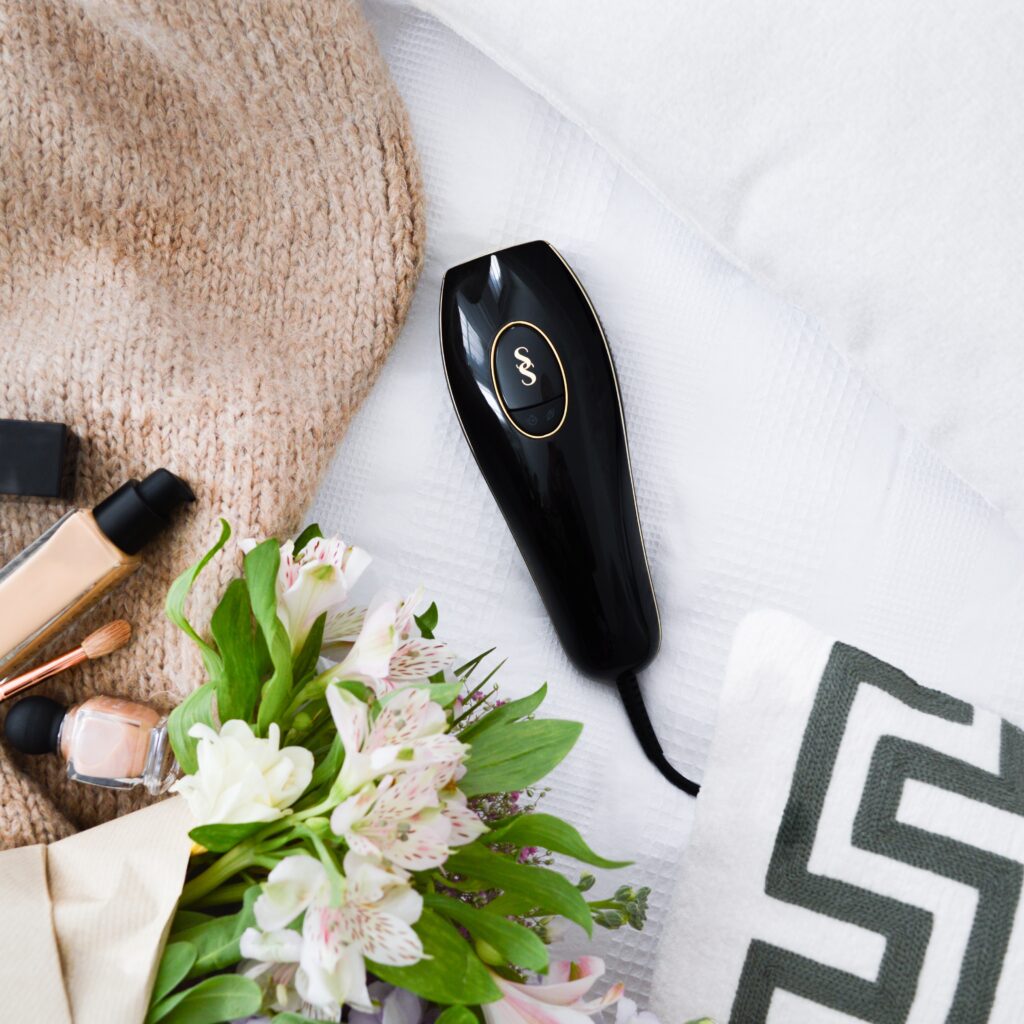
SmoothSkin is one of the leading brands of personal IPL hair removal devices from the UK, offering a safe and effective at-home hair removal solution.
7. Conclusion
In short, pregnant women can still remove bikini hair during pregnancy, but they should think carefully and choose the safest method. Shaving and trimming with scissors are reasonable choices, while waxing and laser should be limited or avoided throughout pregnancy.
Most importantly, the health of mother and baby should come first, and beauty routines should never be prioritized if they involve potential risks. Always consult an obstetrician before using any beauty method during this sensitive period.
If you are looking for a safe and effective hair removal solution after childbirth, don’t hesitate to explore IPL technology with VATICO’s premium devices today for smooth skin and everyday confidence!
You can also explore some trusted hair removal devices from SMOOTHSKIN below:
See also:
Bikini hair removal: confident beauty or hidden risks?
Hair removal during pregnancy: should expectant mothers do it or not?
Things to keep in mind when removing bikini hair at home: private, but still requires caution
Vatico – HOME BEAUTY DEVICE DISTRIBUTOR