

IPL Hair Removal FAQs
Who Is Suitable for IPL Treatment?
Can I use SMOOTHSKIN products on my tattoos?
No – SmoothSkin is not suitable for use on tattoos.
Can men use SMOOTHSKIN products?
Absolutely! SmoothSkin devices are not designed for any specific gender. Just remember that while women can use SmoothSkin devices from the cheekbones downward, we recommend that men treat only from the neck downward.
We do not recommend using SmoothSkin on men’s faces or beards. Because this hair tends to be deeper and thicker, much higher energy levels would be needed for effective treatment, which means SmoothSkin is unlikely to deliver the desired results. Male facial hair is also very dense, so there is a higher risk of burns if the device is used there.
Can I use SMOOTHSKIN products while pregnant or breastfeeding?
Is SMOOTHSKIN effective on blonde, grey, or red hair?
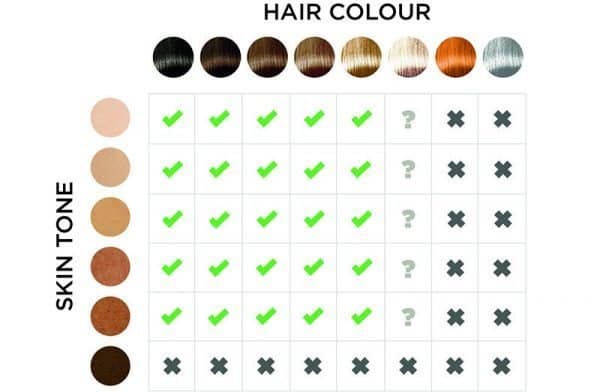
IPL is not suitable for treating grey, red, or very light blonde (white) hair. Grey and very light hair do not contain enough melanin to carry the light energy to the hair follicle, while red hair contains a different type of melanin that does not respond to IPL. Darker blonde hair may respond, but you may need a few extra treatments to achieve a similar level of hair reduction.
Can I use SMOOTHSKIN on freckles and moles?
No – do not use the device on dark freckles or large moles.
What is the minimum recommended age for treatment?
Can I use SMOOTHSKIN on visible veins in the area I want to treat?
We recommend that you seek advice from your doctor, as we cannot be sure of the depth or prominence of the veins.
Can I use SMOOTHSKIN if I have rosacea (red veins on the legs and face)?
No – SmoothSkin is not recommended for use on these areas.
I have diabetes - can I use SMOOTHSKIN?
No. We do not recommend using SmoothSkin devices for people with diabetes.
I have epilepsy - can I use SMOOTHSKIN?
No. If you have epilepsy, the flashing light emitted by SmoothSkin devices may trigger a seizure or epileptic episode.
Are there any medical conditions that mean I should not use the SMOOTHSKIN system?
Yes – there are certain medical conditions that may affect your suitability for IPL treatment.
These include, but are not limited to: skin cancer, or any other localised cancer in the areas being treated; a history of vascular disorders such as varicose veins or vascular disease in the treatment area; skin that is sensitive to light and easily develops rashes or allergic reactions; diabetes; lupus erythematosus; metabolic disorders; congestive heart disease; skin infections, eczema, burns, folliculitis, open wounds, abrasions, herpes, sores or lesions, and haematomas in the area to be treated.
This is not a complete list. If you need further clarification, please discuss it with your doctor. We also recommend reading the Medication FAQ.
I am taking medication - does this affect my suitability for treatment?
Yes. Some medicines and skincare products may have photosensitive properties and could cause an adverse reaction to IPL treatment.
Please check the leaflet for any medication or skincare product containing the active ingredients you are using, and if you need further clarification, discuss it with your doctor. We also recommend reading the Medical Conditions FAQ section.
Is IPL right for me?
There are some cases where, unfortunately, we recommend that you do not use IPL treatment.
First, IPL is not suitable for treating people with very dark skin, or Fitzpatrick skin type VI. The reason lies in the way the technology works. Very dark skin contains a high amount of pigment (melanin) and therefore absorbs more light, which in some cases can lead to burns, discolouration, or even scarring. All SmoothSkin devices are fitted with sensors to ensure they do not flash on unsuitable skin tones, but before you order a SmoothSkin product, please make sure your skin is suitable for IPL treatment by using the chart below.
IPL is also not suitable for treating grey, red, or very light blonde (white) hair. Grey and very light hair do not contain enough melanin to carry light energy to the hair follicle, while red hair contains a different type of melanin that does not respond to IPL. Darker blonde hair may respond, but you may need a few extra treatments to achieve a similar level of hair reduction.
Finally, there are some situations where IPL treatment is not recommended. These include certain skin conditions such as eczema, varicose veins and skin cancer; medical conditions including diabetes or epilepsy; the use of certain medications that can cause photosensitivity, including some acne and antidepressant medicines; and even certain tattoos or moles in the area you want to treat.